Unpack QR Code
March 2025
This research delves into the history, evolution, and cultural impact of QR codes. From their origins in Japan to their widespread adoption in China and eventual integration into Western society, QR codes serve as a powerful example of technological innovation and cultural exchange Attendees will gain insight into their development, global adoption, and the often-overlooked contributions of Eastern technology to the digital world.
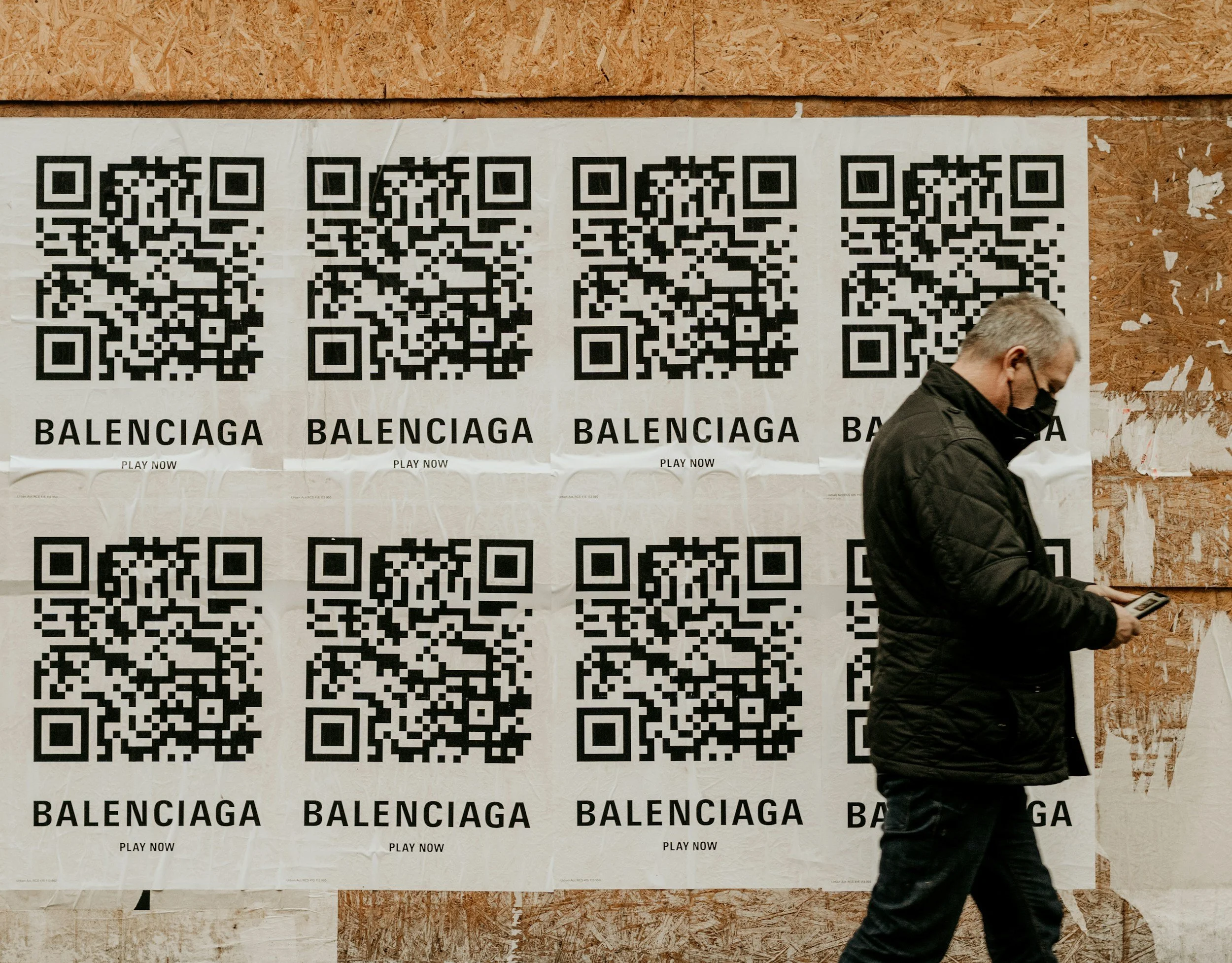
WHAT IS QR CODE?
A QR Code (Quick Response Code) is a two-dimensional barcode that stores information in a grid of black and white squares.
How Does It Work?


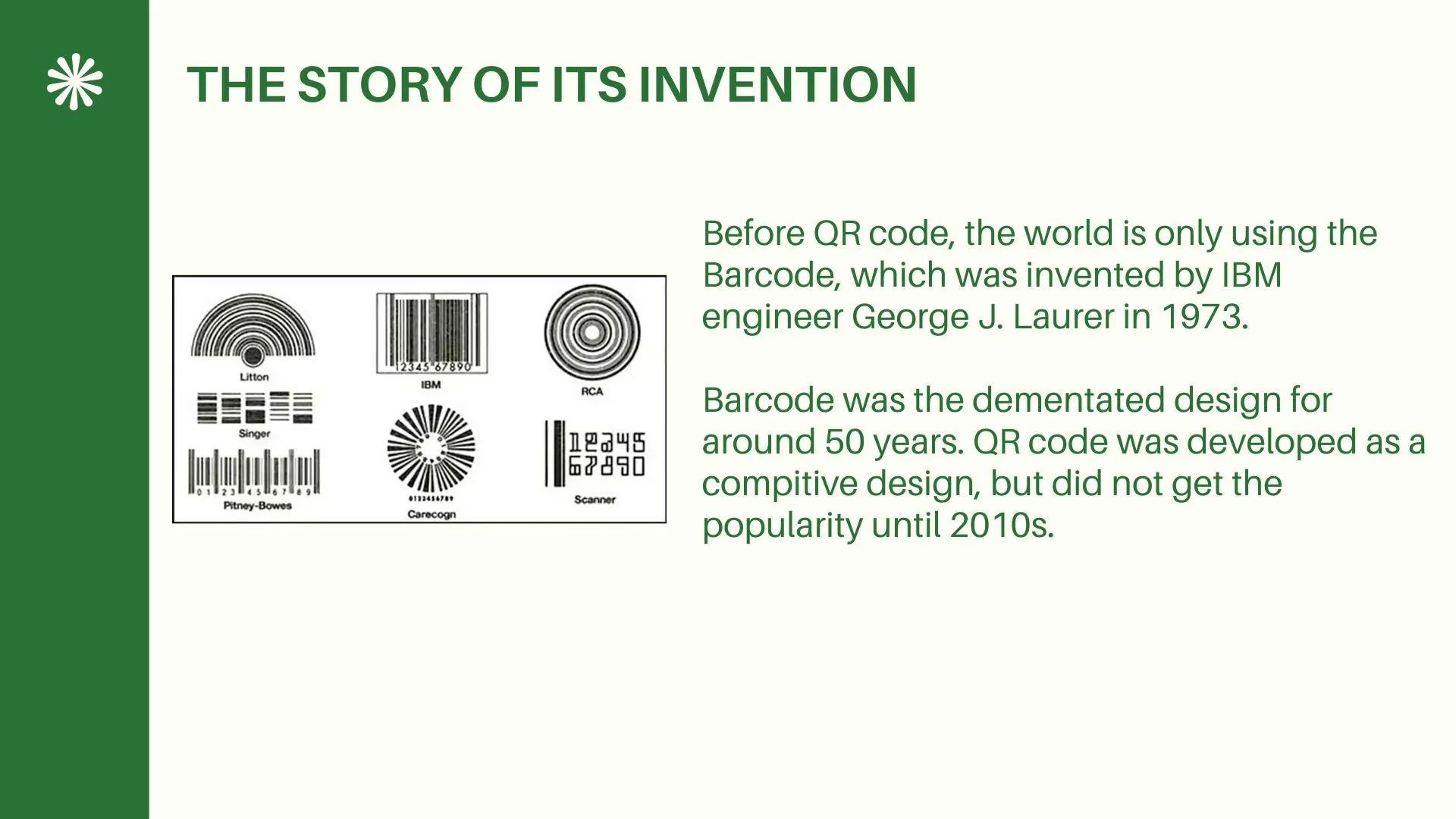
The Story of Its Invention
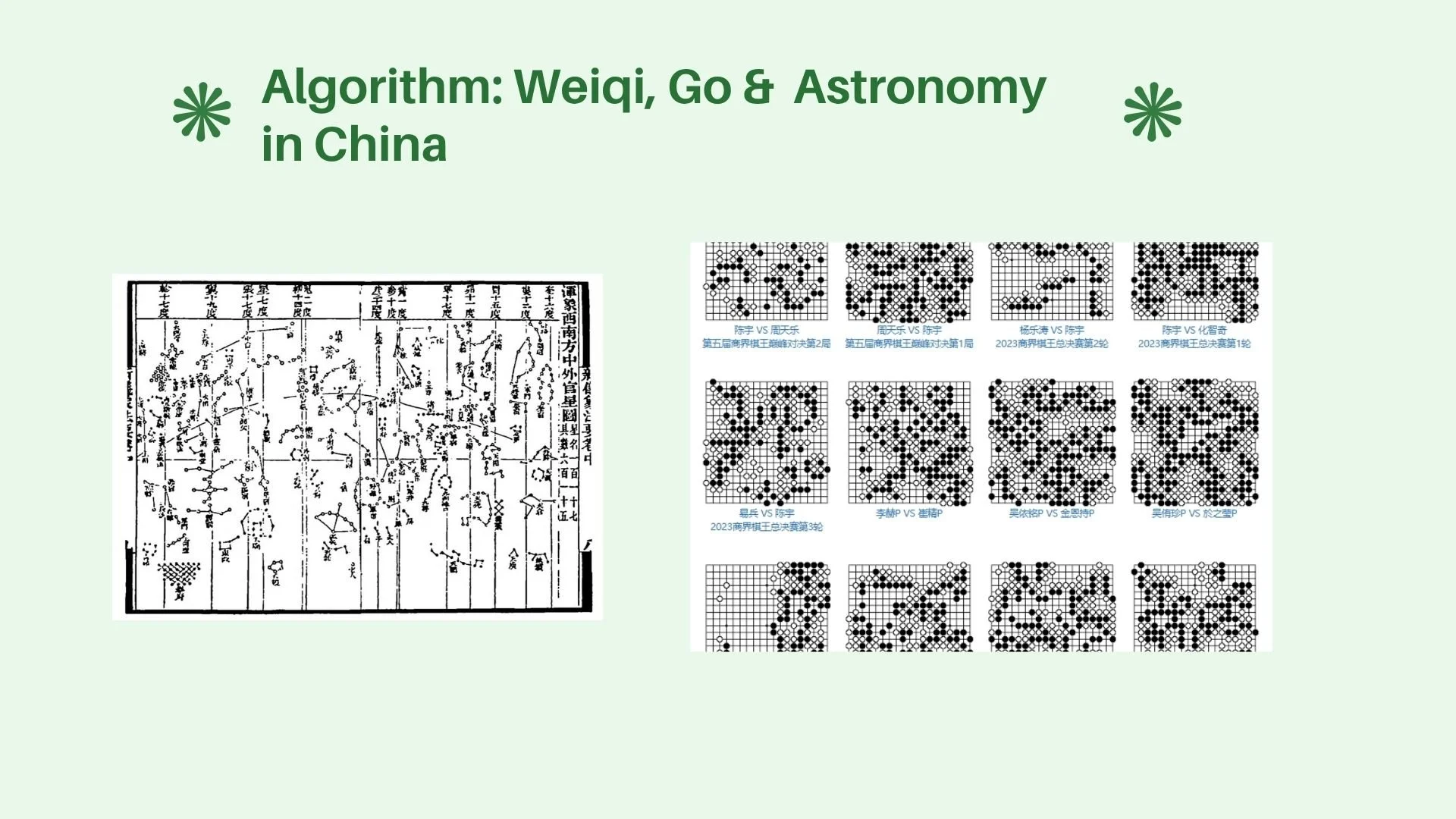
Wei Qi 围棋 碁 いご GO 바둑
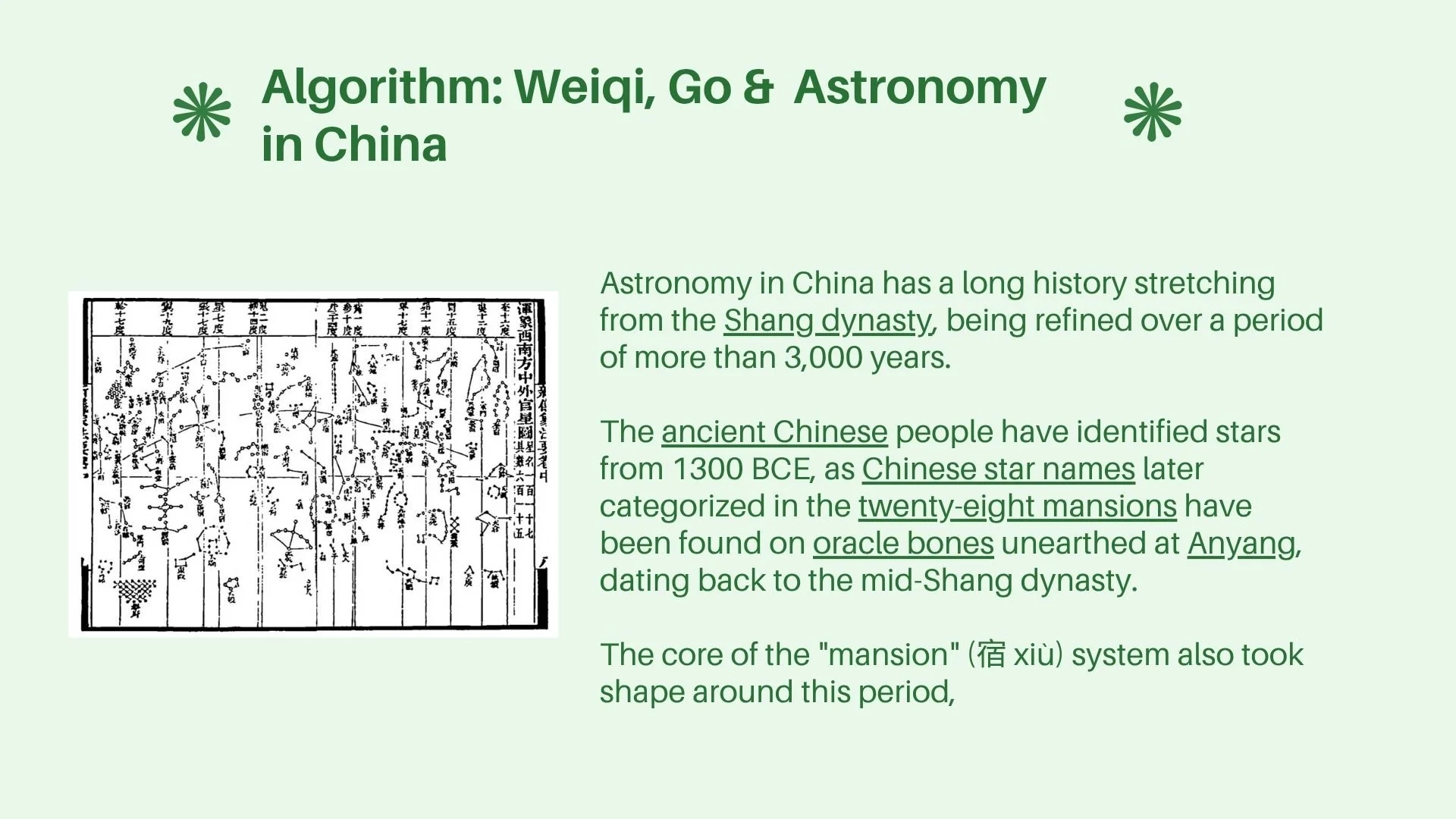
Weiqi (围棋) is a strategic board game where players place black and white stones on a grid to capture territory. It’s deeply rooted in Chinese culture and philosophy (Tao), ancient astronomy, emphasizing balance (yin-yang), strategy, calculation, and foresight.
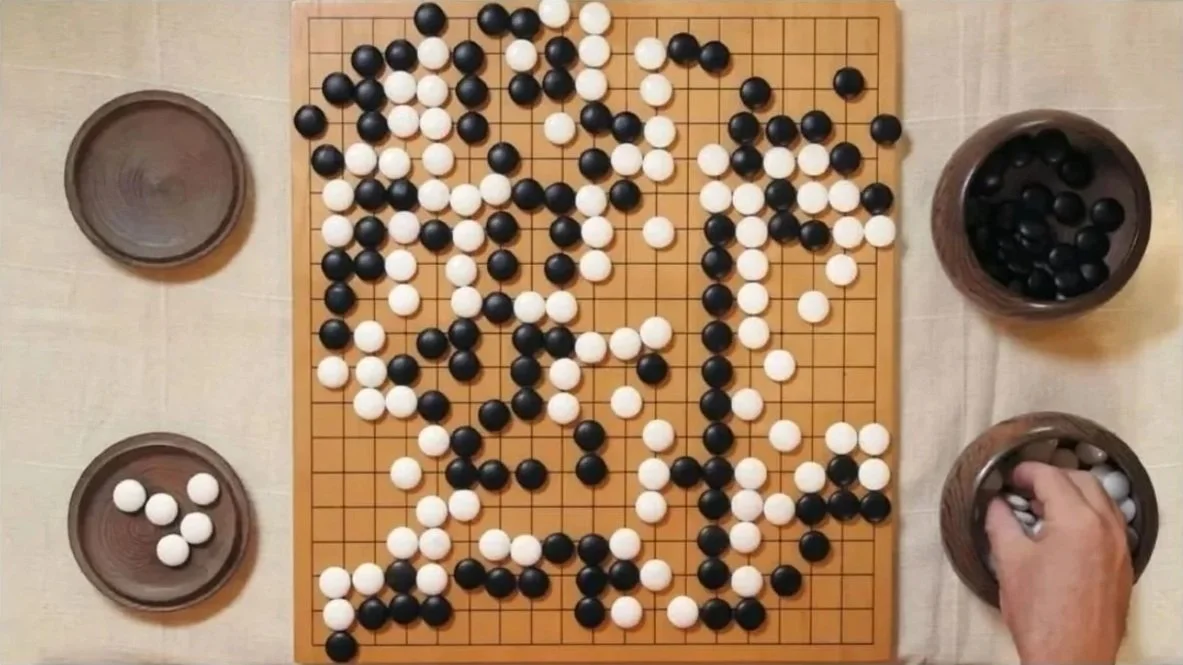
Qipu
In Weiqi, players record their movies in a Qipu (the game record). This systematic recoding of moves mirrors how QR codes store and retrieve the story and the data. Hara-san saw this as a form of “coding” and applied tit to create the QR Code.
How the West Popularized QR Codes
QR codes were initially used in Japan for industrial purposes, but their global breakthrough came much later. The turning point was in 2017, when:
Apple integrated QR code scanning into the iPhone camera with iOS 11
Google did the same with Android 8.0.
But, why?
This made QR codes accessible to millions of smartphone users overnight.
But why did they suddenly become so popular? Why even Apple adopted it?


WeChat & WeChat Pay
The real driver behind QR code adoption was China, specifically the app WeChat Pay. Since 2016, WeChat is using QR code almost for everything.
Here’s why:
Massive User Base: WeChat has over 1.2 billion users, many of whom use QR codes for payments.
Economic Impact: In 2016, WeChat Pay processed over 1.6 trillion USD in transactions.
Cultural Shift: QR codes became a way of life in China, used for everything from payments to bike rentals - one app for all.
The West saw this success and realized the potential of QR codes, leading to their widespread adoption.
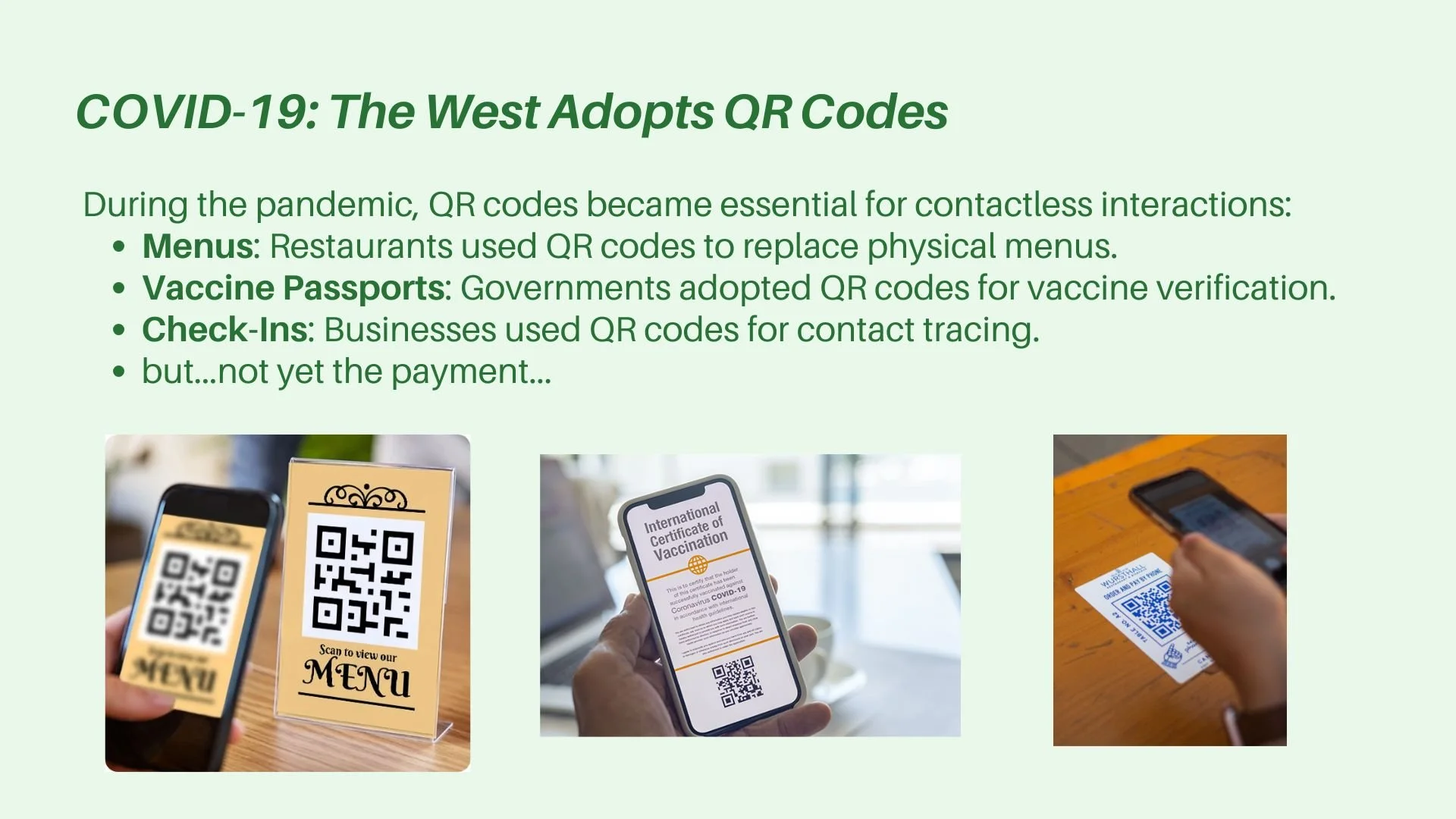
Then, 2020....
Conclusion
QR codes are a perfect example of how technology, culture, and history intersect. From their inspiration in Weiqi to their global adoption during COVID-19, they’ve transformed the way we interact with the world. Yet, their story also raises questions about innovation, credit, and cultural exchange.
It not just about ideas, but also about inclusion & diversities.